Baked Cod at 400°F: Timing and Doneness Guide
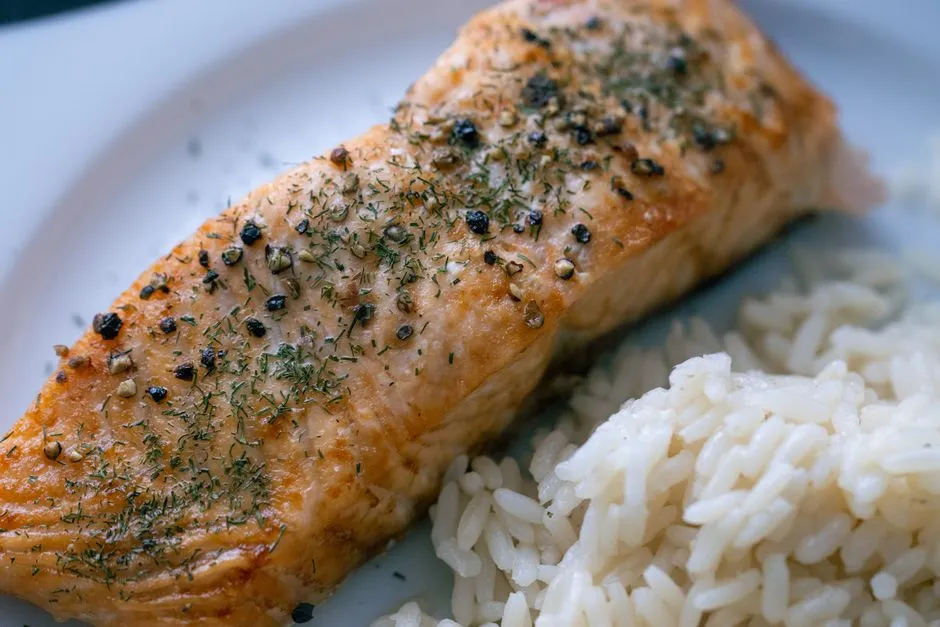
Bake thawed cod for 10–15 minutes, then verify
Bake cod at 400°F (about 205°C) for an initial checking window of 10–15 minutes. The exact time depends on fillet thickness, starting temperature, pan, and oven. Cod is safely cooked when the center of the thickest piece reaches 145°F (63°C); check with a reliable food thermometer rather than asking the kitchen clock to inspect the fish remotely.
This recipe makes four portions with lemon, garlic, and paprika. For other measured seafood methods, browse fish dinners.
Ingredients for four cod fillets
Use fillets of similar thickness so they finish close together.
| Ingredient | Weight | Preparation |
|---|---|---|
| Thawed cod fillets | 600–680 g total | Four pieces, bones checked |
| Olive oil | 20 g | Divided |
| Fresh lemon juice | 15 g | About 1 tablespoon |
| Finely grated garlic | 3 g | About 1 small clove |
| Fine salt | 4 g | Adjust only for pre-salted fish |
| Sweet paprika | 2 g | Optional |
| Black pepper | 1 g | Freshly ground if available |
| Lemon wedges | As needed | For serving |
Cod is a fish allergen. Check every seasoning and side for the needs of the people eating, and prevent cross-contact rather than assuming a clean-looking utensil has changed careers.
Thaw and handle the fish safely
Thaw frozen cod in the refrigerator. For a faster method, keep it in a leakproof package, submerge it in cold water, change the water regularly, and cook it immediately after thawing. Do not thaw seafood on the counter.
Keep raw fish and its juices away from ready-to-eat food. Wash hands, utensils, boards, and counters after contact. Do not reuse a plate that held raw cod for the cooked fillets unless it has been properly washed.
Unwrap the thawed fish and pat the surface dry with clean paper towels. Run a clean fingertip gently over each fillet for pin bones and remove any you find with clean tweezers. Thickness matters: if one fillet is much thinner, plan to check and remove it first.
Season while the oven heats
Set a rack in the center of the oven and preheat to 400°F (about 205°C). Lightly coat a metal baking dish or rimmed sheet pan with 5 grams of the measured oil.
Use a pan large enough to leave space between the fillets.
Combine the remaining 15 grams oil with lemon juice, garlic, salt, paprika, and pepper. Arrange the fillets with space between them and brush the mixture over the tops and sides.
If the cod was sold in a salty brine or carries added-sodium labeling, reduce or omit the measured salt. Product treatments differ, so the package gets a vote.
Check temperature at the thickest point
Bake for 10 minutes before checking a typical fillet. Insert the thermometer sideways into the thickest part so the sensing area reaches the center without touching the pan. Continue baking and recheck at short intervals until every portion reaches 145°F (63°C).
At that temperature, the flesh should look opaque and separate into moist flakes under gentle pressure. Appearance helps locate the checking point, but color and flaking alone do not replace a thermometer.
Remove thinner pieces as soon as they reach the target. Leaving them in while a thick neighbor catches up turns similar-looking fillets into very different dinners.
Serve promptly and store leftovers cold
Rest the cod for two minutes, then serve with lemon wedges. Rice, roasted potatoes, or a crisp salad keep the plate simple. If you prefer a quick stovetop dinner, the garlic butter shrimp uses a different high-heat method; shrimp basics explains why the pan should stay uncrowded.
Refrigerate leftovers within two hours, or within one hour when the surrounding temperature is above 90°F (32°C). Use cooked fish within 3–4 days and reheat leftovers to 165°F (74°C). Discard food when its storage time or temperature is uncertain; aroma is not a reliable safety test.