Garlic Butter Shrimp: A Fast Skillet Recipe
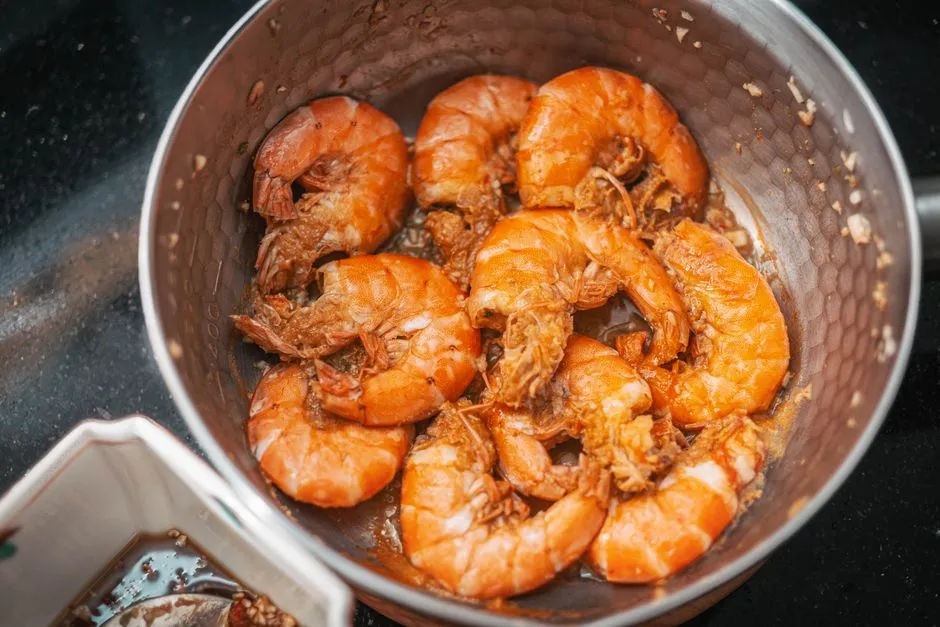
Cook shrimp in one uncrowded layer for 3–5 minutes
Garlic butter shrimp starts with 450 grams thawed raw shrimp in a hot, wide skillet. Cook the first side for about two minutes, turn the shrimp, add the garlic butter, and cook another 1–3 minutes until the center reaches 145°F (63°C). Use time as a checking window: shrimp size, pan material, and crowding all change the pace.
The sauce is bright, savory, and ready before a pot of rice can finish making plans. More technique notes live in shrimp basics.
Ingredients for four modest portions
| Ingredient | Weight | Preparation |
|---|---|---|
| Raw peeled shrimp | 450 g | Thawed and deveined |
| Unsalted butter | 30 g | Divided into small pieces |
| Olive oil | 15 g | For the pan |
| Garlic | 12 g | Finely chopped |
| Fresh lemon juice | 20 g | Added off heat |
| Fine salt | 3 g | Reduce for pre-salted shrimp |
| Black pepper | 1 g | Ground |
| Chopped parsley | 10 g | Optional finish |
Shrimp is a crustacean shellfish allergen, and butter contains milk. Disclose both and prevent cross-contact. Do not assume that replacing butter makes a shared pan, utensil, or preparation area safe for someone with an allergy.
Thaw, drain, and dry
Thaw shrimp overnight in the refrigerator. For faster thawing, keep it in a leakproof package under cold water and cook it immediately afterward. Never leave seafood to thaw on the counter.
Drain well and pat the shrimp dry with clean paper towels. Excess surface water cools the pan and encourages steaming. Check that shell pieces have been removed, especially near the tail.
Keep raw shrimp and its juices separate from ready-to-eat ingredients. Wash hands, boards, knives, and counters after contact. Raw seafood does not need a splashy sink rinse; droplets can spread contamination around the kitchen.
Heat the skillet before adding shrimp
Choose a skillet wide enough to hold the shrimp in one layer with small gaps. If your pan is smaller, cook two batches and divide the oil. Crowding makes the shrimp release liquid faster than the pan can evaporate it.
Set the skillet over medium-high heat. Add the olive oil and heat until it flows easily across the surface but is not smoking. Arrange the shrimp in one layer. Sprinkle with the salt and pepper.
Cook without stirring for about two minutes. The underside should turn opaque and lightly golden while the upper center remains partly translucent.
Turn once, then add garlic butter
Turn the shrimp individually or toss them into a single new layer. Add the butter and garlic around the pan, not in one cold mound. Stir as the butter melts and coats the shrimp.
Cook for another 1–3 minutes. Check several of the thickest shrimp with a suitable instant-read thermometer; each should reach 145°F (63°C) at the center. The flesh should be pearly and opaque. Shape is an unreliable stopwatch because species, size, and handling vary.
Remove the skillet from the heat as soon as the shrimp reach temperature. Stir in the lemon juice and parsley. Taste one cooked shrimp before deciding whether more salt is needed.
Garlic burns when left against a very hot empty patch of pan, so keep it moving in the melted butter. Browning is welcome; tiny black garlic gravel is not the recipe’s secret ending.
Serve while the sauce is glossy
Spoon the shrimp and pan sauce over rice, pasta, toast, or cooked vegetables. If pasta is the plan, have it ready before the shrimp enter the skillet. This recipe waits poorly and overcooks enthusiastically.
For a hands-off main dish, baked cod at 400°F uses the same thermometer target with a gentler oven method. Browse fish dinners when the skillet has already submitted its vacation request.
Refrigerate leftovers within two hours, or within one hour above 90°F (32°C), in a shallow covered container. Use within 3–4 days and reheat to 165°F (74°C). Reheat only the portion you need; repeated heating does the texture no favors and does not reset the original storage clock.